

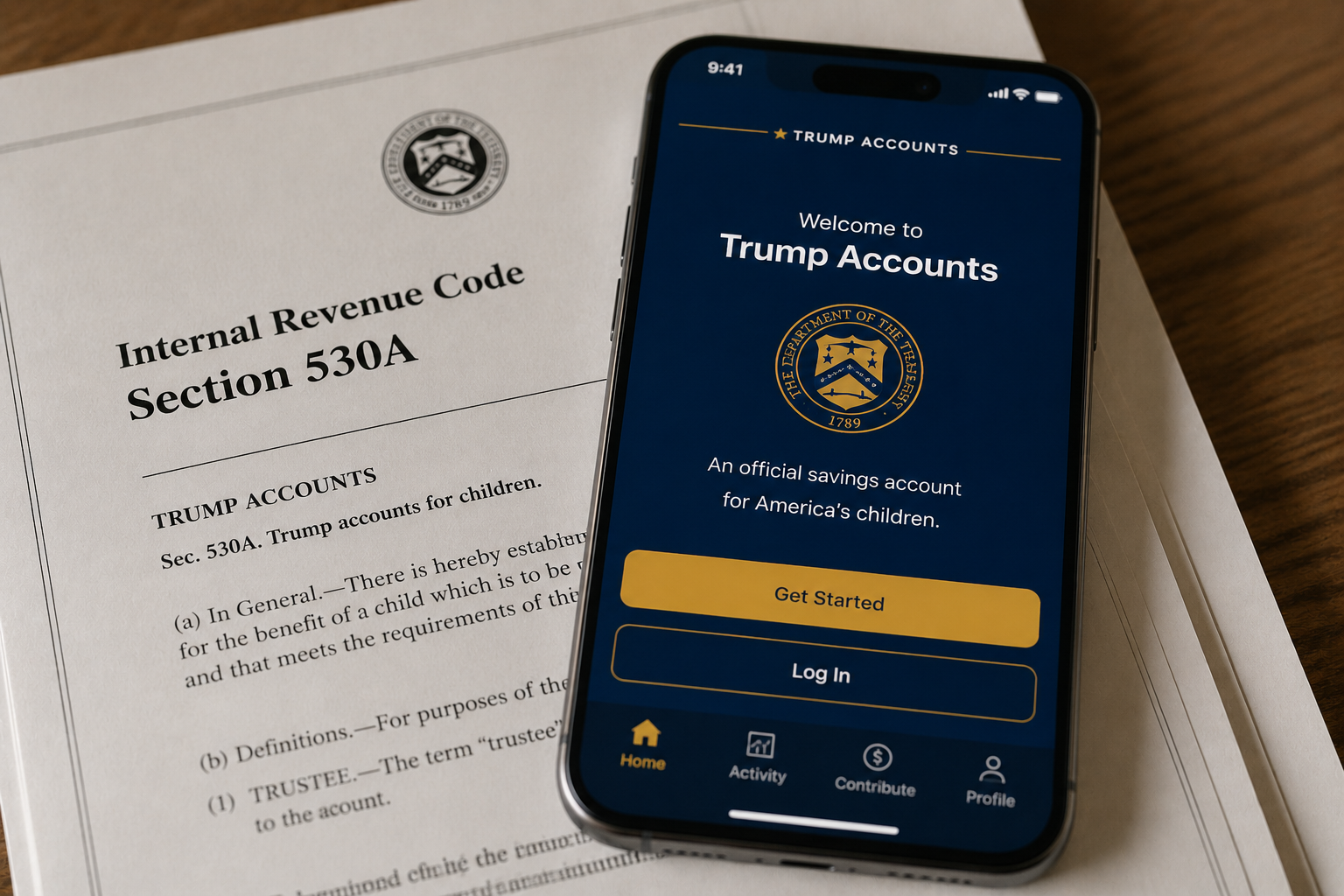
Trump Accounts Are Open: A ‘Currently’ Complete Guide to Contributions, Taxes, and Everything In Between
Trump Accounts are officially open, and the mechanics are more detailed than the headlines suggest. This guide walks through how the accounts actually work: who can open one, what the growth period restricts, how contributions and taxes differ by source, and what changes the moment a beneficiary turns 18. A practical look at where these accounts fit for families already juggling a TSP, a 529, and long-term planning goals.

Estate Planning Documents for Military Families: What They Are and Why They Matter
Estate planning is not just about what happens when you pass. It is also about who makes decisions if you cannot, who cares for your children in a gap between an emergency and a family member's arrival, and whether the right people have the authority to act when it matters most. For military families navigating PCS moves, deployments, and duty stations far from home, those questions carry real weight. This article defines the core estate planning documents every military family should understand, and explains what makes them work differently in a military life than they do for everyone else.
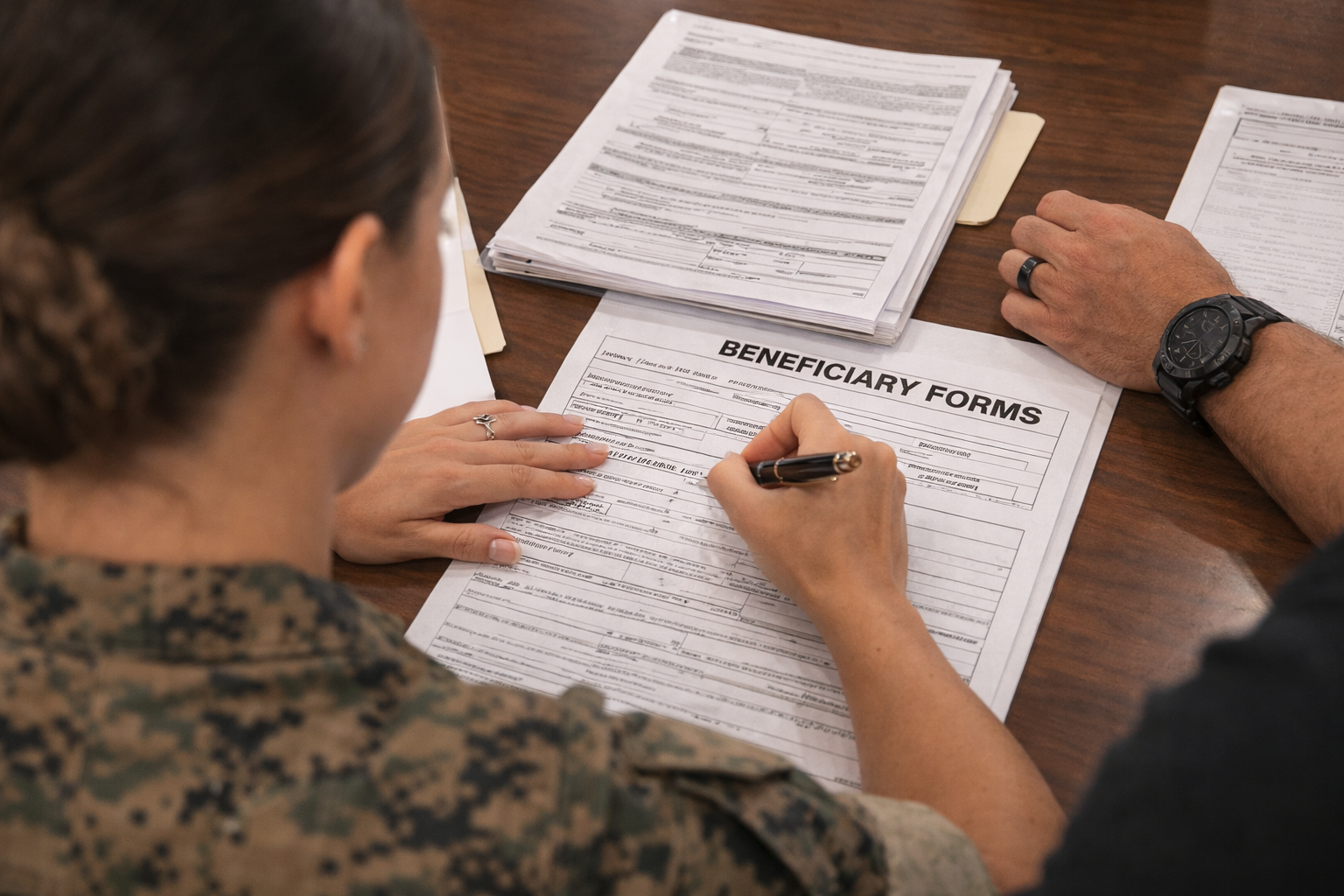
Beneficiary Designations for Military Families: TSP, SGLI, IRAs, and More!
Estate planning has a reputation for being the financial task everyone intends to do and very few actually get around to. For most military members, there is really only one moment that forces the conversation: pre-deployment workups. But life changes far more often than a deployment cycle, and very few of those changes trigger a follow-up review of the financial accounts that matter most.

Serving Others with Your Finances: A Faith-Based Guide to Giving for Military Families
Generosity has always been a core part of Christian stewardship, but it also plays an important role in a healthy financial plan. For military families, intentional giving can align financial decisions with the values of service, faith, and community. By incorporating generosity into a structured framework, families can plan their spending, saving, and giving in a way that supports both financial stability and meaningful impact.